
GR

Οι κριτικές λειτουργούν ως "κοινωνική απόδειξη" ότι μια μάρκα θεωρείται αρκετά αξιόλογη για να την εμπιστευτείτε ή όχι. Είναι από τις σημαντικότερες πηγές πληροφοριών για να διαπιστωθεί αν ο ιστότοπος πουλάει αυτό που υπόσχεται, αν προσφέρει καλές υπηρεσίες και αν η εταιρεία σέβεται τους πελάτες της. Οι κριτικές δίνουν τη δυνατότητα στους πελάτες να ενημερώσουν όλους όσους ενδιαφέρονται για την εμπειρία τους και να μεταδώσουν τη γνώση. Οι κριτικές μπορεί ακόμη και να αποτελέσουν τον αποφασιστικό παράγοντα για να ασχοληθεί ένας καταναλωτής με μια επιχείρηση. Είναι σαφές ότι οι κριτικές αποτελούν σημαντικό μέρος της διαδικτυακής παρουσίας μιας μάρκας, είτε απευθύνεται σε καταναλωτές online είτε offline.
Δεδομένης της σημασίας των διαδικτυακών κριτικών, υπάρχουν άνθρωποι που προσπαθούν να βγάλουν χρήματα γράφοντας κριτικές για επιχειρήσεις. Συνήθως γράφουν σε πλατφόρμες τρίτων, όπως η Google, το TrustPilot, το TripAdvisor ή σε ιστότοπους κοινωνικής δικτύωσης. Υπάρχουν εταιρείες που χρεώνουν παχυλά ποσά για τη συγγραφή κριτικών και την αύξηση των οπαδών στα μέσα κοινωνικής δικτύωσης. Οι κριτικές από λογαριασμούς με καλή θέση σε ιστότοπους κριτικών αποφέρουν ακόμη και πριμοδότηση. Οι ψεύτικες διαδικτυακές κριτικές αποτελούν μια αναπτυσσόμενη βιομηχανία, πολύ σε βάρος των καταναλωτών.
Ο παρακάτω πίνακας τιμών καταδεικνύει πόσο εύκολο και φθηνό μπορεί να είναι για τις εταιρείες να χτίσουν μια πρόσοψη ότι έχουν καλή φήμη, χάρη στις ψεύτικες κριτικές. Οι τιμές για τις κριτικές μπορεί να ποικίλλουν ανάλογα με παράγοντες όπως η τοποθεσία του λογαριασμού, η ηλικία του λογαριασμού και η προσπάθεια που καταβάλλεται για την κριτική. Υπάρχουν αρκετές εταιρείες που χρεώνουν λιγότερες από τις παρακάτω τιμές, καθώς συνήθως εδρεύουν σε αναπτυσσόμενες χώρες και χρησιμοποιούν bots ή χακαρισμένους λογαριασμούς για να βομβαρδίζουν τις σελίδες με κριτικές. Από την άλλη πλευρά, ορισμένες μπορεί να χρεώνουν περισσότερα, αλλά παρέχουν κριτικές υψηλότερης ποιότητας από γνήσιους λογαριασμούς (influencers).
Λόγω της ευρείας διαθεσιμότητας αυτών των υπηρεσιών, εναπόκειται σε εμάς - τους καταναλωτές - να εντοπίσουμε αν η κριτική είναι ψεύτικη ή όχι. Ωστόσο, είναι σχετικά δύσκολο να διακρίνουμε τις ψεύτικες κριτικές από τις γνήσιες.
Οι ψεύτικες κριτικές μπορεί να έχουν κάποια αποκαλυπτικά σημάδια που τις κάνουν να ξεχωρίζουν από τις πραγματικές κριτικές:
Επικοινωνήστε με τον κριτικό: Ορισμένοι ιστότοποι κριτικών σας επιτρέπουν να επικοινωνήσετε με τους κριτικούς. Χρησιμοποιήστε το για να ρωτήσετε σχετικά με την εμπειρία τους. Οι ψεύτικοι κριτικοί δεν απαντούν ποτέ και οι γνήσιοι πιθανόν να το κάνουν.
Παρ' όλα αυτά, το Scamadviser.com εξετάζει βαθύτερα από τις κριτικές και εκτιμά μια βαθμολογία με βάση διάφορα σημεία δεδομένων, όπως η ηλικία του ιστότοπου, η χώρα προέλευσης, η φύση της επιχείρησης και άλλα.
Αν θέλετε να μάθετε περισσότερα για τις κριτικές και να δοκιμάσετε τον εαυτό σας με ένα κουίζ, σας προτείνουμε αυτούς τους ιστότοπους: Theconversation.com και marketwatch.com. Συνιστούμε επίσης το κανάλι YouTube Fake Review Watch (δείτε ένα από τα εξαιρετικά βίντεο ανάλυσης παρακάτω).
Google reviews can be useful, but they can also be manipulated.
Google says fake engagement is not allowed. This includes reviews that are not based on a real experience, reviews posted from multiple accounts, and reviews written because someone paid or asked for them in a misleading way.
When you check Google reviews, look beyond the stars.
Check whether reviewers have a normal local review history. A real local reviewer may have reviewed restaurants, shops, services, or places in the same area over time. A suspicious account may only review one business or may post glowing reviews for unrelated businesses across different regions.
Also check how the business replies. Real replies usually answer the complaint. Generic replies often say “please contact support” without dealing with the issue.
A Google rating can support your decision, but it should not make the decision for you.
Trustpilot reviews can add useful context, but users should still read the patterns carefully.
Trustpilot reported that it removed 4.5 million detected fake reviews in 2024, and 90% were detected automatically by its fake review detection models. That number shows how large the fake review problem is, even on platforms that invest in detection.
When you check Trustpilot, do not only look at the score. Open the reviews and compare the positive and negative comments.
Look for these signals:
A Trustpilot profile can help you understand a company, but it should not replace a full website check.
Use this checklist before you enter payment details or personal information.
If you have anything to share, please contact ScamAdviser
Reporting fake reviews can protect other users.
The right reporting path depends on where the review appears. If the fake review appears on Google, report it through Google Search or Google Maps. If it appears on Trustpilot, use the platform’s flagging option. If the fake reviews support a suspicious website, report the website to ScamAdviser as well.
Open the review on Google Search or Google Maps, choose the report option, and select the reason that best matches the issue.
Report reviews that appear paid, copied, posted by fake accounts, unrelated to real experience, or part of a clear review pattern
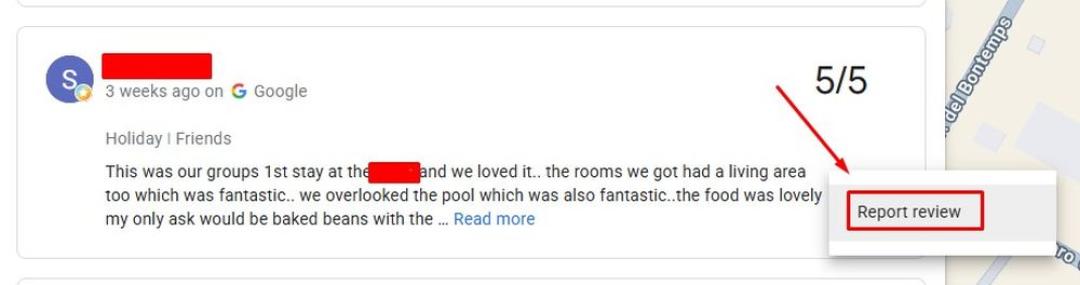
Image Credit: ScamAdviser
Open the review on Trustpilot and use the flagging option.
Flag reviews that appear fake, harmful, unrelated to a real customer experience, or part of a suspicious review campaign. Also check whether the company has a pattern of vague five-star reviews and detailed one-star complaints.
You can report suspicious websites and reviews on the Report a Scam page. Fill in the information that you have, and help us make the internet a better and safer place!
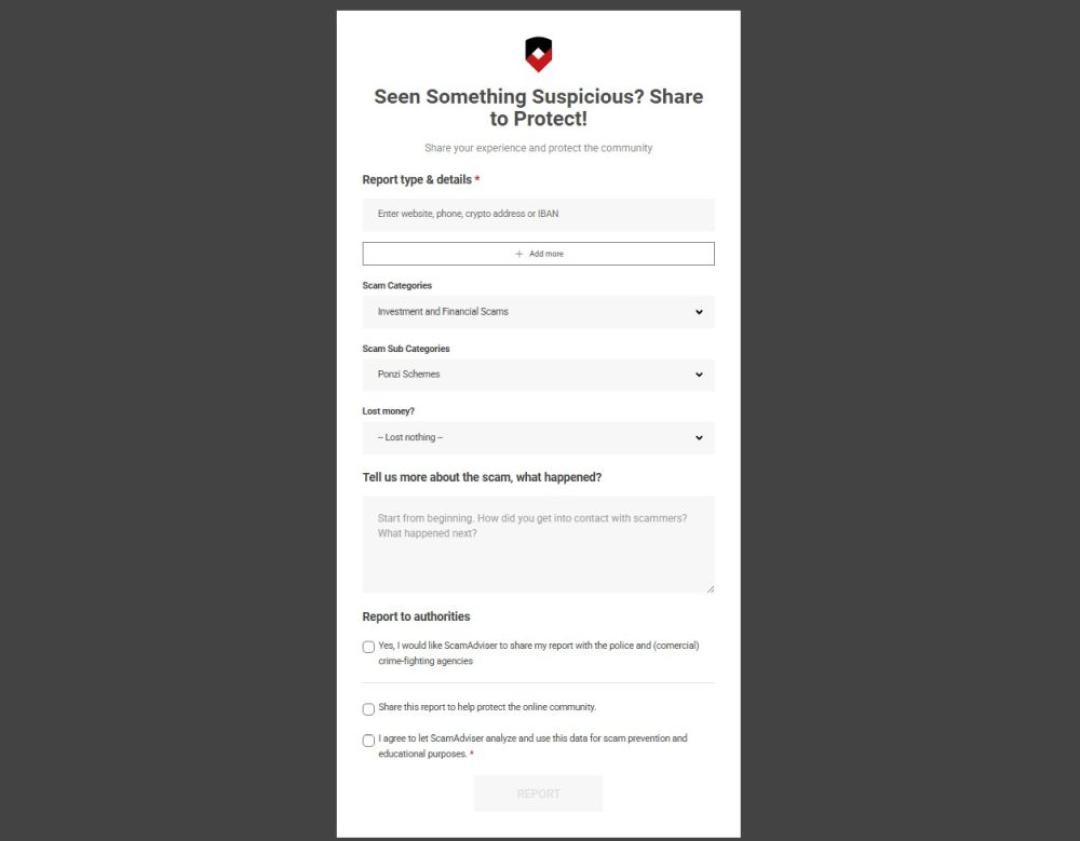
Image Credit: ScamAdviser
How can I tell if reviews are fake?
Fake reviews often use vague praise, empty reviewer profiles, repeated wording, sudden review bursts, or ratings that do not match real customer complaints.
Are fake Google reviews illegal?
In the United States, the FTC bans the sale or purchase of fake reviews and testimonials, and Google also bans fake engagement.
Can Trustpilot reviews be fake?
Yes, Trustpilot removes millions of detected fake reviews each year, so users should still read review patterns carefully.
Can verified reviews still be fake?
Yes, verified labels can add trust, but they do not remove the need to check review wording, timing, reviewer profiles, and complaint patterns.
