
EN

This article has been updated by Jamie James on June 9 with the latest data and analysis we have found using real user reports and experiences submitted to ScamAdviser.
It is really risky to believe anything you see on the internet, even a legit-looking review that feels like it was written by an actual person who experienced the website or the service. These fake reviews can make a scam website look safe before you have checked everything else. Scam websites usually use this method to trick people into thinking it is safe to shop, with trust that is literally bought.
According to our own reports that involve submissions by real users between September 2025 and March 31, 2498 reports mentioned review or social-proof signals such as reviews, ratings, Google reviews, testimonials, Instagram, or followers. More specifically, 1,923 reports mentioned review-related signals, and 442 of those involved reported financial loss.
The same review-related reports appeared across several scam types. Shopping scams were the most common, with 616 reports, followed by business-related scams with 387 reports, phishing with 375 reports, and investing scams with 358 reports. That spread matters because fake reviews are not tied to one scam type. They can support fake shops, fake services, phishing pages, and risky investment offers.
Quick Summary
Fake reviews reduce doubt at the exact moment when you should be careful. Because usually, whenever you want to check if a website or a service is safe or not, you would check the reviews that were submitted by real people.
Most people check reviews because they want reassurance. You may want to know whether a shop delivers, whether a product works, or whether a service returns money when something goes wrong. A few positive reviews can make a website feel normal, especially when you are in a hurry.
That is the risk. Fake reviews do not need to prove much. They only need to make you pause less, click faster, and feel safer than you should.
Fake reviews are sold like a reputation product.
Some sellers offer reviews for Google, Trustpilot, social media pages, marketplaces, and company websites. Others sell followers, likes, comments, or full social media engagement packages.
The price table below shows how easy and cheap it can be for companies to build a fake reputation. Prices can vary based on the reviewer account’s location, account age, platform, and the effort put into the review.
A website does not need hundreds of fake reviews to mislead you. Sometimes 10 or 20 positive reviews are enough to make a new website look active. If the site has little history, weak contact details, and many glowing reviews, slow down.
Fake reviews often sound positive but lack the details real customers usually mention. Just like recognizing a scam, the first thing you should do is to be suspicious.
A real review usually tells you what happened. It may mention delivery time, product size, refund problems, packaging, customer service, payment, or the exact issue the buyer faced.
A fake review often stays broad because the person writing it did not have a real experience.
Here are the main warning signs to check.
The reviewer profile can tell you more than the review itself.
Check whether the account has a normal history. A suspicious profile may have no photo, no previous activity, only five-star reviews, or reviews for unrelated businesses in different countries.
Also look for names and profile images that feel copied or generic. Fake reviewer accounts often use stolen photos, stock-style images, or names that do not match the language or location of the review.
One empty profile does not prove fraud. Many empty profiles with the same style deserve caution.
A sudden burst of reviews can be a warning sign.
A real business may receive more reviews after a sale, product launch, or holiday period. But if a little-known website gets many five-star reviews within a few days, check the rest of the picture.
Ask yourself:
Timing matters because fake review campaigns often arrive in batches.
Repeated wording can point to a template.
Look for reviews that use the same phrases, sentence structure, or emotional tone. For example, several reviews may say “fast delivery and great customer service” without any specific details. Others may repeat the same product claim or trust phrase.
You can also copy one suspicious sentence and search it in Google. If the exact wording appears on other websites, review pages, or unrelated businesses, treat it as a serious warning sign.
Fake reviews often praise trust instead of answering real buyer questions.
For an online shop, useful reviews mention delivery, returns, sizing, quality, tracking numbers, and refunds. For a financial service, useful reviews mention withdrawals, fees, identity checks, and support response times. For a travel booking site, useful reviews mention booking confirmation, hotel check-in, cancellations, and refund terms.
If every positive review only says the company is “trusted” or “legit,” it may be trying to answer your fear without proving anything.
Google reviews can be useful, but they can also be manipulated.
Google says fake engagement is not allowed. This includes reviews that are not based on a real experience, reviews posted from multiple accounts, and reviews written because someone paid or asked for them in a misleading way.
When you check Google reviews, look beyond the stars.
Check whether reviewers have a normal local review history. A real local reviewer may have reviewed restaurants, shops, services, or places in the same area over time. A suspicious account may only review one business or may post glowing reviews for unrelated businesses across different regions.
Also check how the business replies. Real replies usually answer the complaint. Generic replies often say “please contact support” without dealing with the issue.
A Google rating can support your decision, but it should not make the decision for you.
Trustpilot reviews can add useful context, but users should still read the patterns carefully.
Trustpilot reported that it removed 4.5 million detected fake reviews in 2024, and 90% were detected automatically by its fake review detection models. That number shows how large the fake review problem is, even on platforms that invest in detection.
When you check Trustpilot, do not only look at the score. Open the reviews and compare the positive and negative comments.
Look for these signals:
A Trustpilot profile can help you understand a company, but it should not replace a full website check.
Use this checklist before you enter payment details or personal information.
If you have anything to share, please contact ScamAdviser
First and Third Party Review Systems
📱 Make the Most of ScamAdviser Everywhere You Go
Check websites, numbers, IBANs & wallets in seconds.
Spot red flags before they spot you — install the app now!
Reporting fake reviews can protect other users.
The right reporting path depends on where the review appears. If the fake review appears on Google, report it through Google Search or Google Maps. If it appears on Trustpilot, use the platform’s flagging option. If the fake reviews support a suspicious website, report the website to ScamAdviser as well.
Open the review on Google Search or Google Maps, choose the report option, and select the reason that best matches the issue.
Report reviews that appear paid, copied, posted by fake accounts, unrelated to real experience, or part of a clear review pattern
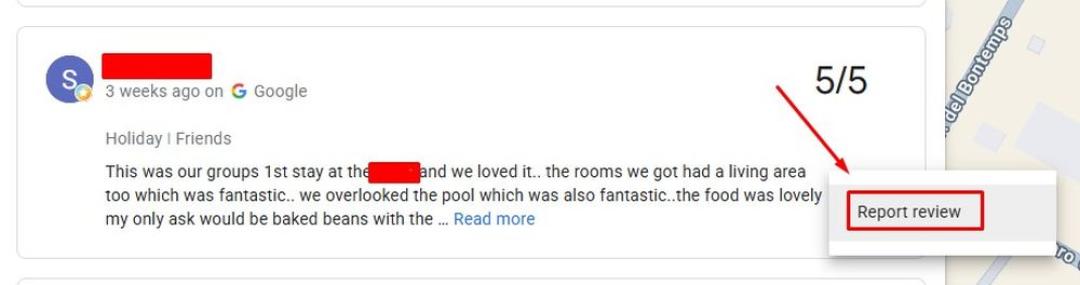
Image Credit: ScamAdviser
Open the review on Trustpilot and use the flagging option.
Flag reviews that appear fake, harmful, unrelated to a real customer experience, or part of a suspicious review campaign. Also check whether the company has a pattern of vague five-star reviews and detailed one-star complaints.
You can report suspicious websites and reviews on the Report a Scam page. Fill in the information that you have, and help us make the internet a better and safer place!
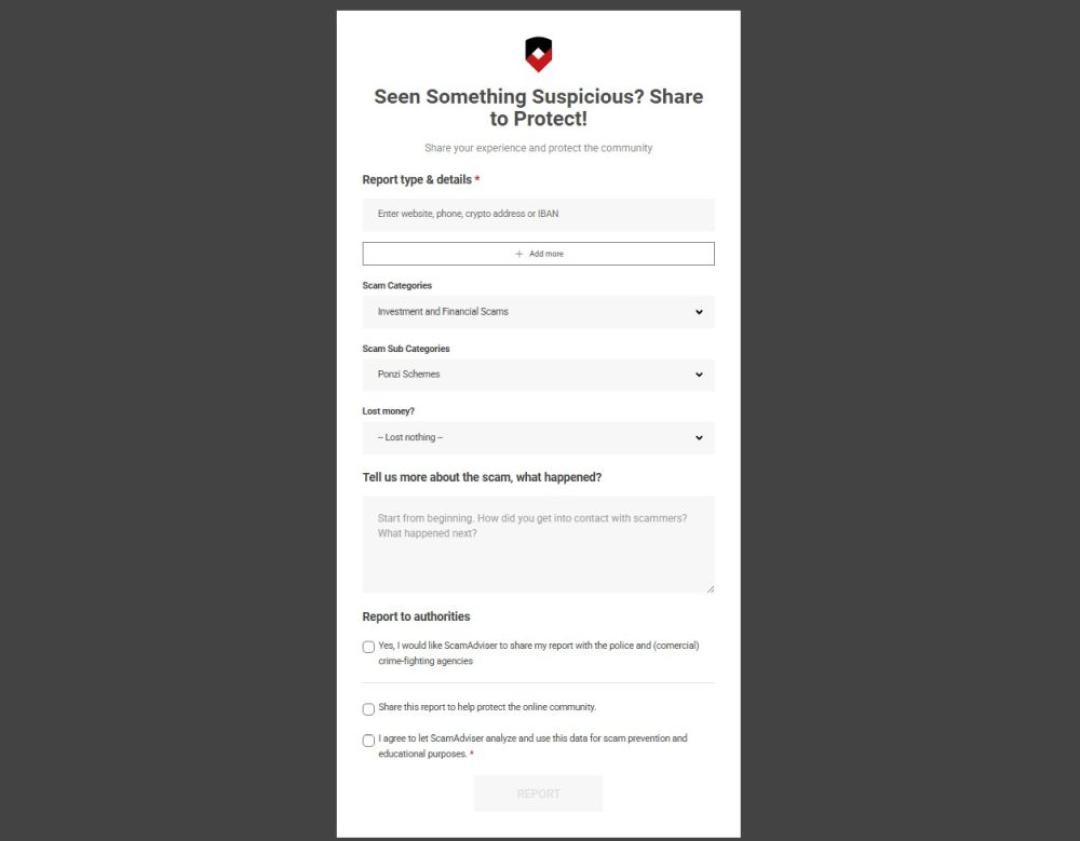
Image Credit: ScamAdviser
How can I tell if reviews are fake?
Fake reviews often use vague praise, empty reviewer profiles, repeated wording, sudden review bursts, or ratings that do not match real customer complaints.
Are fake Google reviews illegal?
In the United States, the FTC bans the sale or purchase of fake reviews and testimonials, and Google also bans fake engagement.
Can Trustpilot reviews be fake?
Yes, Trustpilot removes millions of detected fake reviews each year, so users should still read review patterns carefully.
Can verified reviews still be fake?
Yes, verified labels can add trust, but they do not remove the need to check review wording, timing, reviewer profiles, and complaint patterns.
