
EN
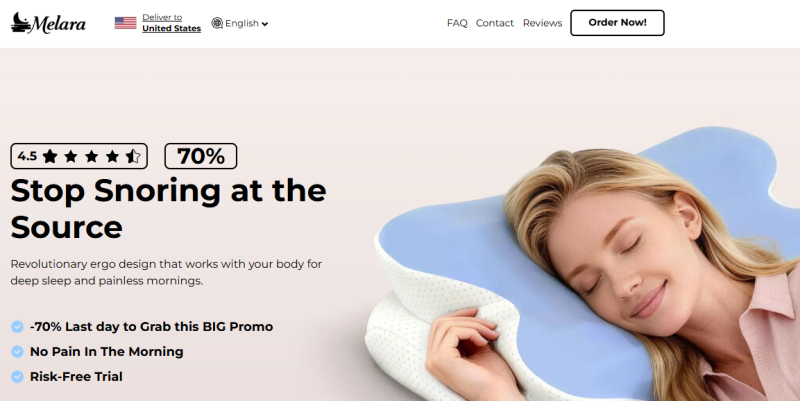
Melara markets its pillow with the promise of "revolutionary ergo design that works with your body for deep sleep and painless mornings." Bold claims like that deserve a closer look before you hand over your card details, so here is what we found checking melaraair.com.
The site is full of glowing testimonials, five-star ratings, and customers describing life-changing sleep. Check Trustpilot and the story is very different. Melaraair.com shows zero reviews and a 0.0 rating, an unclaimed profile with no history at all.


When a company's only reviews live on a page it built and controls itself, there is no way to know if a real customer wrote them, or if they were written by the company.
The checkout page is built to push you toward buying now rather than thinking it over. We saw a 70 percent discount framed as limited time, along with pop-ups showing other customers supposedly buying the pillow in real time. These countdown timers and live purchase pop-ups are common tools in aggressive sales funnels, and they are designed to create urgency rather than inform you.
None of this by itself means a product is fake. But a business confident in its product usually doesn't need to rush you past the decision.
We checked the site's info section, where the Terms of Service, Privacy Policy, and Returns and Refunds Policy are supposed to live. These pages were incomplete, thin on the specifics a real policy needs, like exact timeframes, restocking fees, or what happens if a return is denied.
Other reviewers checking the same brand have flagged a related issue: the guarantee language on the sales page does not always match what the formal return policy actually promises. That kind of gap matters, because it's the formal policy, not the sales copy, that decides what happens if you want your money back.
We have doubts about Melara Pillow. The glowing reviews on the site can't be verified anywhere outside it, the checkout is built around pressure tactics rather than clear information, and the policy pages that are supposed to protect you if something goes wrong are thin or unclear.
If you're set on trying it, buy with a credit card rather than a debit card, save every page of the checkout as a screenshot, and read the actual return policy line by line before you click buy. If a refund gets denied later, having that record will make disputing the charge much easier.
This article has been written by a scam fighter volunteer. If you believe the article above contains inaccuracies or needs to include relevant information, please contact ScamAdviser.com using this form.
Adam Collins is a cybersecurity researcher at ScamAdviser who operates under a pseudonym for privacy and security. With over four years on the digital frontlines, he specialises in translating complex threats into actionable advice. His mission: exposing red flags so you can navigate the web with confidence.
