
EN
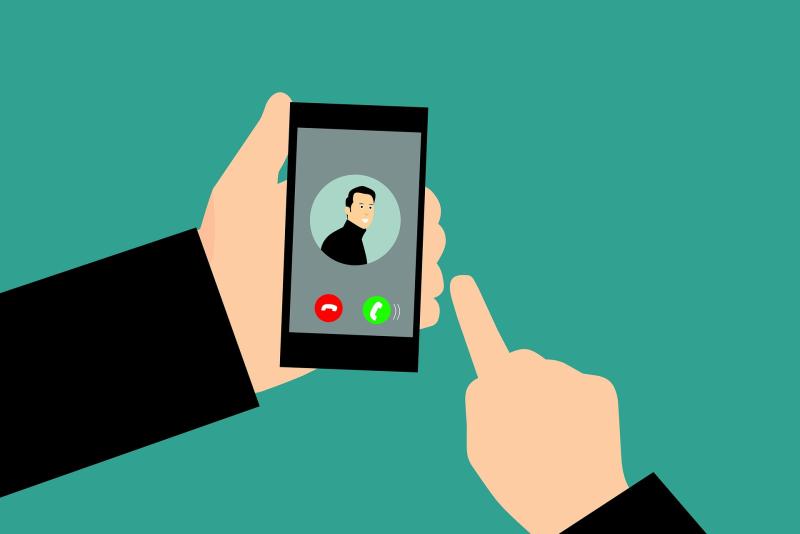
Online shopping has made life convenient, but scammers are exploiting this convenience. In recent months, reports have surged of fraudulent phone calls claiming to be from Amazon, targeting shoppers with fake orders for expensive devices such as iPhones, Lenovo laptops, MacBook Pros, and Dell laptops. These scams are sophisticated, manipulative, and can result in serious financial loss if not recognized in time.
The scam usually starts with an unexpected phone call or voicemail. The caller claims to be from Amazon’s customer service, saying that a high-value device, often an iPhone, MacBook Pro, Lenovo, or Dell laptop was purchased using your account. They create a sense of urgency, warning that the order must be confirmed or canceled immediately to prevent fraud.
Scammers often use caller ID spoofing, making the number appear official. They may even refer to your name or past orders to seem legitimate. Their goal is to convince you to take immediate action, whether by confirming a purchase, sharing personal information, or installing software that grants them remote access to your device.
Once they have your trust, these scammers typically request one or more of the following:
These tactics allow scammers to steal funds, access other accounts, or even resell your personal information on the dark web.
There are several warning signs that a call is fraudulent:
Unsolicited Contact: Amazon typically notifies you of orders or suspicious activity via email or the Amazon app, not unexpected phone calls.
High-pressure Tactics: Scammers create urgency, claiming that failure to act quickly will result in account suspension or unauthorized charges.
Requests for Sensitive Information: Amazon will never ask for your password, Social Security number, bank account details, or gift card codes over the phone.
Remote Access Requests: Any request to install software for remote access is a major warning sign.
Caller ID Can Be Faked: Just because a call appears to come from Amazon doesn’t mean it is legitimate.
Recognizing these red flags early can prevent you from falling victim to the scam.
Protecting yourself requires a combination of awareness, verification, and security practices such as:
Hang Up Immediately: If you receive an unsolicited call about a suspicious order, end the call without sharing any information.
Verify Through Official Channels: Log in directly to your Amazon account through the official website or app to check for any suspicious orders. Avoid using any phone numbers provided by the caller.
Check Your Order History: Review recent orders in your account to confirm whether the device in question was actually purchased.
Enable Two-Factor Authentication: Adding an extra security layer ensures that even if scammers get your password, they cannot access your account without the second verification code.
Report Suspicious Calls: Notify Amazon of the fraudulent call through their official support channels. Reporting scams helps prevent others from being targeted.
Monitor Financial Accounts: If you accidentally shared banking or payment information, contact your bank immediately to protect your accounts.
Aside from recognizing and responding to scam calls, following basic online safety practices can reduce risk:
By maintaining awareness and practicing these safety habits, you can reduce the chances of falling victim to scammers targeting popular devices.
Scammers focus on high-value products like iPhones, Lenovo laptops, MacBook Pros, and Dell laptops because these items generate a strong emotional reaction. The fear of unauthorized purchases and potential financial loss makes victims more likely to comply with the scammer’s instructions.
Additionally, scammers often mimic Amazon’s professional tone and terminology, making the call seem legitimate. They may even provide partial details about your account to gain trust. This combination of fear, urgency, and familiarity makes the scam highly effective.
Phone call scams targeting Amazon shoppers are becoming increasingly common and sophisticated. Whether it’s a supposed iPhone, Lenovo, MacBook Pro, or Dell laptop purchase, the scam follows the same pattern ie. create urgency, extract sensitive information, and exploit victims financially.
Staying vigilant, recognizing red flags, and using secure verification methods are your best defenses. Always confirm suspicious activity through your Amazon account directly, avoid unsolicited calls, and protect your personal information. Awareness and caution are key to preventing these scams from affecting you or your family.
By understanding the tactics scammers use and taking preventive measures, you can enjoy the convenience of online shopping without falling prey to fraudulent schemes.
Disclaimer: This article has been written by a Scam Fighter Contributor. If you believe the article above contains inaccuracies or needs to include relevant information, please contact ScamAdviser.com using this form.
Image Source: Pixabay
