
EN
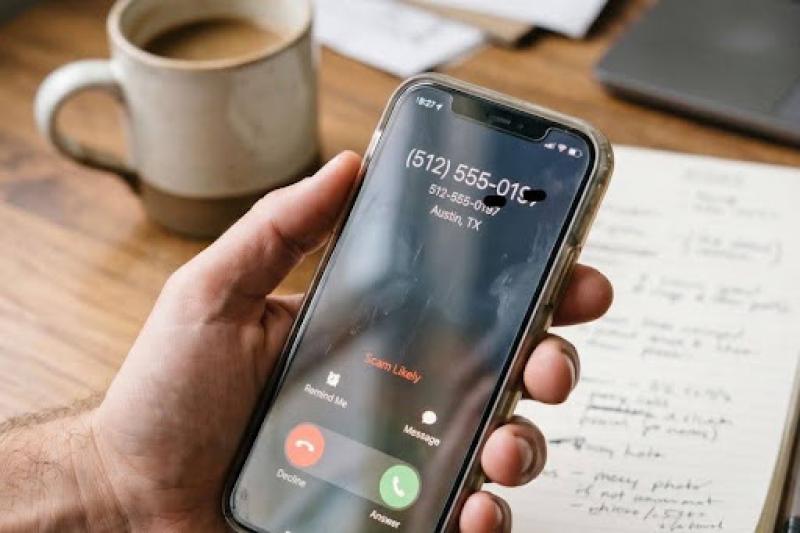
The number on your screen proves nothing. Scammers can make any name or number appear on caller ID, including your bank, the police or a local number that looks like your neighbour's. That is why "it came from a real number" is no longer a reason to trust a call.
The good news: you do not need to know who is calling to stay safe. You only need to check the number, slow down, and contact the organisation yourself.
Caller ID spoofing is cheap and easy. Scammers use internet calling services to display any number they choose. Some copy the real customer service number of a bank so that a search for the number makes the call look legitimate.
AI has made this worse. Voice-cloning tools can copy a person's voice from a few seconds of video, so a call can sound like a relative or your manager. The checks below focus on what the caller asks you to do, because that is the part scammers cannot hide.
In a "one-ring" or Wangiri scam, your phone rings once and stops. If you call back, you are connected to a premium-rate line that charges you per minute while keeping you on the line with fake ringing, hold music or silence.
Some of these numbers look domestic. In North America, Caribbean area codes such as 876 (Jamaica) and 809 (Dominican Republic) look like ordinary US numbers but are charged as international calls.
Tip: Never call back a number you don't recognise. If it's important, the caller will leave a message or text.
Impersonating a trusted organisation is the most common phone scam. The caller says there is fraud on your account, unpaid tax or a warrant for your arrest. The goal is to scare you into acting before you think.
Tip: Hang up and call the organisation back on the number on your card, a letter or its official website. If you are using a landline, use a mobile phone or wait a few minutes for a fresh dial tone, as scammers can sometimes hold older phone lines open.
A one-time code sent by text is the key to your account. A scammer who already has your password needs that code to log in or approve a payment. No genuine bank, delivery company or app support agent will ever ask you to read it out.
Tip: Read the full text message with the code. It usually says "never share this code". Believe it.
Gift cards, cryptocurrency and wire transfers are almost impossible to reverse. That is why scammers insist on them. No government agency or legitimate business demands payment in gift cards or crypto over an unsolicited call.
Tip: Any unsolicited caller demanding payment by gift cards, crypto or wire transfer is a scammer. End the call.
"Act now or your account will be closed." "Don't tell anyone at the bank, they may be involved." Urgency and secrecy stop you from checking the story with someone else. That check is exactly what would expose the scam.
Tip: Tell the caller you will call back. A real organisation will be fine with that. A scammer will push harder.
Many scam numbers have already been reported by others. A quick search can show complaints, the type of scam and whether the number belongs to a real business.
Tip: Search the full number in quotes on Google, then check it on ScamAdviser and a caller ID app such as Truecaller, Hiya or Whoscall.
Scammers often send texts or emails that ask you to call a number. That number goes straight to the scammer's fake call centre. Compare it with the company's official website, typed in yourself, not via a link in the message.
Tip: Never use a phone number from a pop-up, text or email that warns you about a problem. Find the official number yourself.
Tech support and "bank security" scammers often ask you to install AnyDesk, TeamViewer or a similar app. Once installed, they can see your screen and move your money.
Tip: Never install software because a caller told you to. Microsoft, Apple and banks do not make unsolicited support calls.
A call from a "grandchild" in trouble or a "boss" who needs an urgent transfer may use a cloned voice. Listen to the request, not just the voice.
Tip: Agree on a family safe word that only you know. Ask for it, or hang up and call the person on their usual number.
Before you call back, reply or share anything:
Yes. Spoofing lets scammers show any number on caller ID, including a real company's number. The number alone is never proof of who is calling.
Answering alone rarely causes harm, though it does confirm your number is active and may lead to more spam calls. The real risk comes from what you do next—avoid sharing personal details, reading out codes or pressing keys to connect to an agent.
Yes, if it is a premium-rate or high-cost international number. That is how one-ring scams make money.
Search it on ScamAdviser, Google and a caller ID app. For businesses, compare it with the number on their official website.
Yes, though scammers rotate numbers constantly using spoofing tools. Blocking stops repeat calls from the same line, while verifying every unknown caller protects you from new ones.
Related reading: How to Recognize a Scam · 13 WhatsApp Scams and How to Stay Safe · How to Get Your Money Back
Adam Collins is a cybersecurity researcher at ScamAdviser who operates under a pseudonym for privacy and security. With over four years on the digital frontlines, he specialises in translating complex threats into actionable advice. His mission: exposing red flags so you can navigate the web with confidence. See Full Bio
