
EN
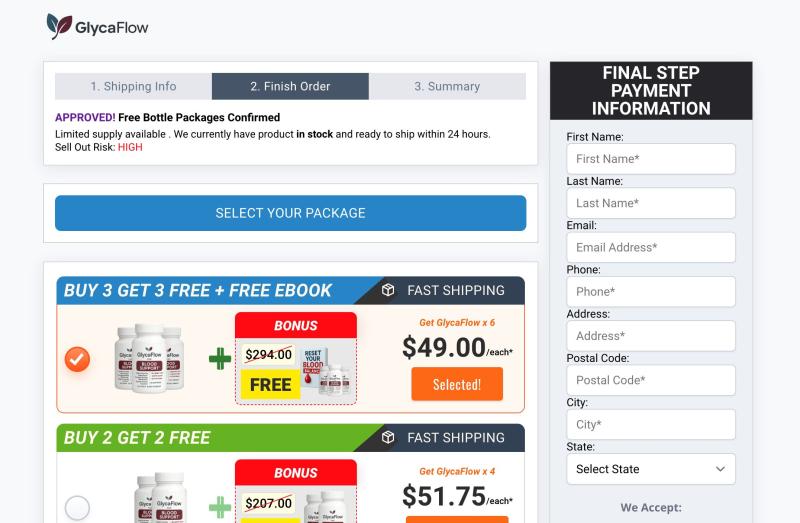
GlycaFlow is an over-the-counter dietary supplement marketed online as a natural support system for blood sugar management. Target-marketed toward individuals seeking alternative options for metabolic wellness, the product has garnered attention across various online platforms.
This Glyca Flow review examines the publicly available information, ingredients, and retail practices associated with GlycaFlow to help consumers make an informed health and financial decision.
At the time of this review, the product known as GlycaFlow is sold primarily through a single-page landing website and select online reseller listings. It is marketed as a daily dietary capsule designed to promote healthy blood flow and glucose maintenance.
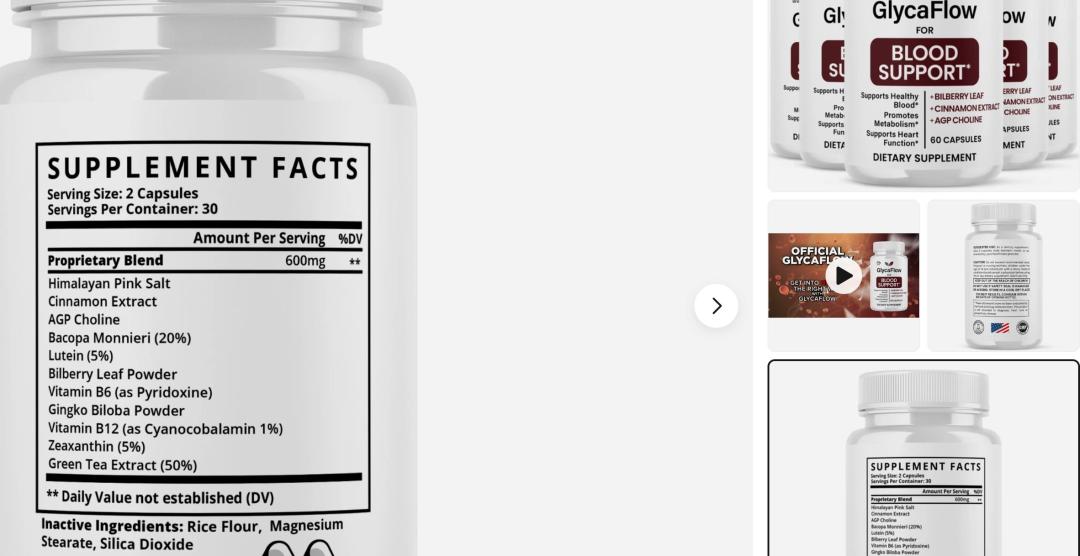
According to product packaging, a standard serving consists of two capsules, with each bottle containing 30 servings. Like the vast majority of dietary supplements available online, Glyca Flow has not been evaluated by the Food and Drug Administration (FDA) to diagnose, treat, cure, or prevent any medical condition.
When evaluating a wellness product, the formula's transparency is crucial. Interestingly, the dedicated brand storefront does not seem to provide specific ingredient information directly on its main landing page. Instead, publicly available images of the GlycaFlow supplement facts panel found on third-party marketplace listings reveal a proprietary blend totaling 600 mg per serving.
Cinnamon Extract:
Certain clinical trials suggest that concentrated cinnamon extracts may support mild improvements in insulin sensitivity for some individuals, though such outcomes typically depend on consuming the exact, high-strength quantities utilized in peer-reviewed testing.
Bilberry Leaf Powder:
Traditional herbology suggests that bilberry contains antioxidants which may offer minor support for vascular health, provided it is delivered in standardized concentrations verified by scientific literature.
Green Tea Extract:
Known for its metabolic and antioxidant properties, green tea extract may provide a general wellness boost, but achieving these biological effects generally requires specific milligram thresholds established during formal human trials.
While individual elements have academic interest, the overall structure of the GlycaFlow formula presents notable limitations based on clinical literature:
The Proprietary Blend Constraint of GlycaFlow:
Because the ingredients are grouped into a single 600 mg blend, the exact milligram amount of each herb is hidden. Based on the rules of labeling, ingredients are listed in descending order of weight.
Potential Underdosing:
Clinical studies demonstrating the benefits of ingredients like cinnamon often utilize doses ranging from 1,000 mg to 6,000 mg daily. Because the entire Glyca Flow blend is only 600 mg, the active amounts of these botanicals may be significantly lower than what peer-reviewed research deems effective.
Inclusions of Less Relevant Ingredients on Glyca Flow:
The formula lists Himalayan Pink Salt as its primary ingredient by weight, alongside cognitive ingredients like AGP Choline and Bacopa Monnieri. These components do not appear to have an established medical connection to blood sugar regulation.
A review of the online purchase infrastructure for GlycaFlow highlights several behavioral patterns common among internet exclusive supplement brands.
High-Pressure Sales Copy:
The official presentation for Glyca Flow frequently utilizes high-pressure tactics. Bulletins claiming that "Sell Out Risk: HIGH" or that packages are "Approved!" are often deployed to create an artificial sense of urgency, encouraging buyers to make rapid credit card purchases.
Price Obfuscation and Bundling of GlycaFlow:
The single-bottle retail price appears to sit near $79.00 plus shipping fees. While the storefront heavily promotes bulk options, such as a "Buy 3 Get 3 Free" package, the aggregate cost can scale quickly up to $294.00. This pricing structure seems designed to secure large transactions before a consumer can physically test the item's compatibility with their body.
Based on publicly available information, GlycaFlow appears to be a standard internet dietary supplement that may not fully align with the stringent requirements of clinical efficacy. Furthermore, the complete Glyca Flow formula itself does not appear to be clinically tested or verified as an independent entity in peer-reviewed scientific studies.
While it contains a few traditional botanicals, the overall proprietary mixture seems to be lower in dosage than the safety and effectiveness thresholds validated by modern medical science.
When managing severe metabolic conditions, consumers may find it beneficial to remain cautious. Exploring alternative, over-the-counter wellness choices like Glyca Flow as a primary option, rather than prioritizing a structured treatment plan under the ongoing care of a certified medical provider, may potentially present unexpected health adjustments or challenges.
This objective review is for educational, informational, and critical commentary purposes only. All observations are based exclusively on an independent evaluation of publicly available ingredient listings, digital marketing materials, online domain behaviors, and third-party consumer retail footprints at the time of writing.
This content provides a neutral analysis of documented marketplace data and explicitly refrains from making definitive accusations regarding the legality or operational integrity of the business entities involved. It neither promotes nor condemns the product, noting storefront presentation without endorsing or criticizing commercial practices. Individual experiences vary; consumers must autonomously evaluate marketing claims and digital transparency before purchasing.
All product names, images, logos, and variations (including "GlycaFlow" and "Glyca Flow") are the property of their respective owners and are used under Fair Use guidelines solely for descriptive and identification purposes. This commentary does not constitute professional medical advice, diagnosis, or treatment. Always consult a licensed healthcare professional before introducing any new dietary or wellness supplements to your routine.
This article has been written by a Scam Fighter Contributor, De-Reviews.com Team. If you believe the article above contains inaccuracies or needs to include relevant information, please contact ScamAdviser.com using this form.
De-Reviews.com Team is a group of scam researchers, editors, and online safety advocates dedicated to exposing online fraud and helping consumers stay safe online. The team has been investigating scams, fraudulent websites, phishing campaigns, and other online threats since 2014. Read the Full Author Profile.
