
EN

Products like FuelSync and FuelPhase have gained attention online as plug-in fuel-saving devices. These gadgets are promoted as small tools that you simply plug into your car’s 12V socket or diagnostic port or OBD2 port, with claims that they can significantly reduce fuel consumption and improve mileage .
However, after reviewing promotional content, technical breakdowns, and consumer feedback, there are several questionable and concerning patterns that suggest these devices may not deliver the results they advertise.
This article takes a closer look at both Fuel Sync and Fuel Phase, including their marketing claims, technical reality, and user experiences.
Both FuelSync and FuelPhase are marketed as plug-in devices designed to improve fuel efficiency. According to promotional materials, the devices allegedly:
The marketing creates a strong impression that these devices can dramatically change how a vehicle consumes fuel with almost no effort from the driver.
The official website selling FuelSync (fuelsyncdevice.com) and FuelPhase (fuelphasebuy.com) present these gadgets as advanced automotive innovations with engineered technology that supposedly modifies engine behavior.
However, multiple independent observations and reviews raise doubts about these claims.
One of the most important findings comes from an internal look at the device itself.
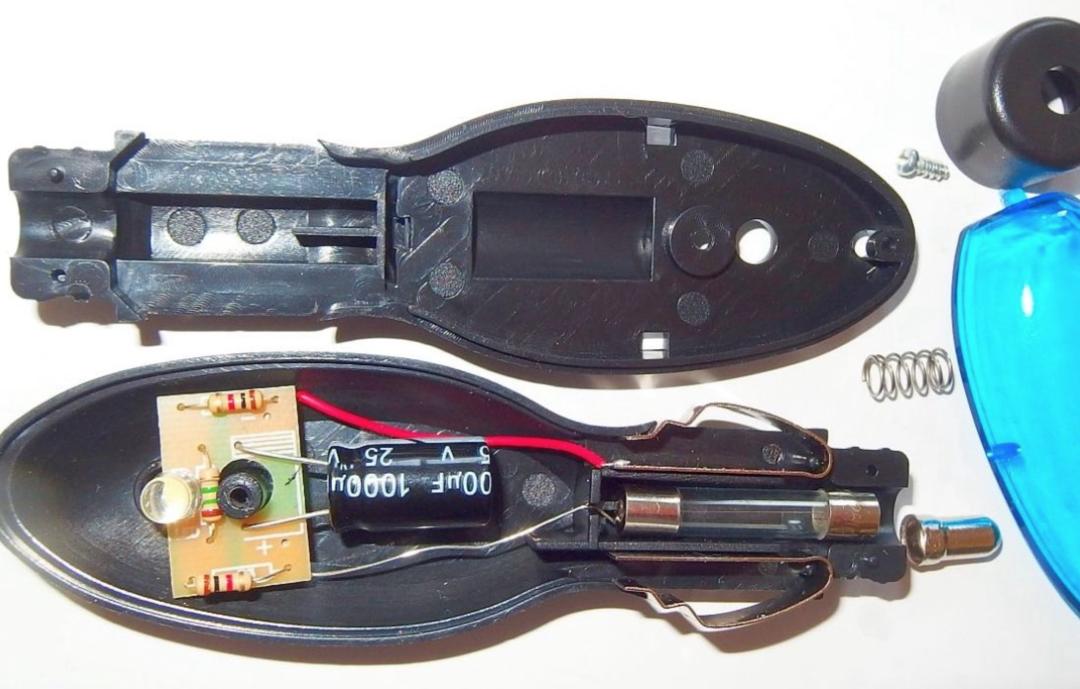
As shown in a breakdown shared on social media, including a Facebook page named Action Eye News LIVE, the internal structure of these devices appears extremely simple. The components reportedly include:
The LED lights up when plugged in, which creates the illusion that something advanced is happening. However, from an engineering standpoint, these components do not have any capability to influence engine combustion, fuel injection, or vehicle performance.
In simple terms, while the device may light up, there is no clear mechanical or electronic system inside that could realistically reduce fuel consumption. Automotive systems rely on complex engine control units, sensors, and software. A basic plug-in light-based circuit does not interact with these systems in any meaningful way. Action Eye News LIVE has shown the inside of this device which you can see in the picture as below.
The promotional narrative behind Fuel Sync and Fuel Phase (also branded as Fuel Save Pro or similar) includes claims of a hidden inefficiency module in modern cars that allegedly reduces performance. The devices are described as tools that fix this hidden issue and restore optimal engine efficiency. However, this explanation is widely considered scientifically unsupported and inconsistent with how modern vehicles actually work.
Modern cars are controlled by advanced Engine Control Units (ECUs), which are already designed to optimize fuel efficiency based on sensor data. There is no verified evidence of a hidden module that can be turned off by a simple plug-in device.
This mismatch between marketing storytelling and automotive engineering raises significant doubts about the product’s effectiveness.
Several concerning patterns have been identified in the way these products are marketed, such as:
The official FuelSync and FuelPhase websites' pages display thousands of positive reviews and near-perfect five star ratings, including claims like around 9,000 reviews. These ratings create an impression of strong customer satisfaction and wide usage.
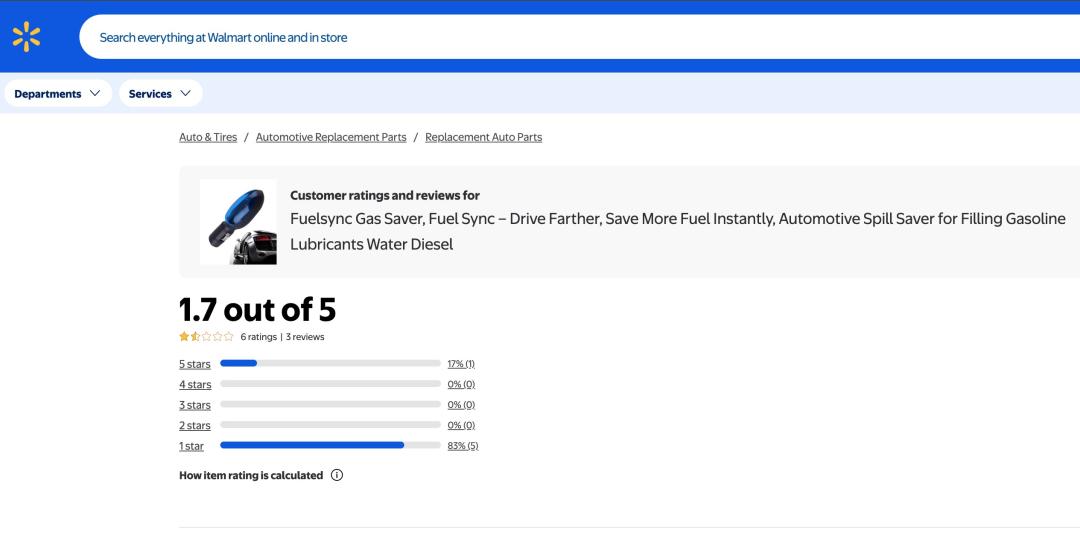
However, independent platforms such as Trustpilot show no matching review activity for these devices. In addition, consumer feedback referenced on retail platforms such as Walmart has included reports of devices being ineffective or not matching advertised expectations.
This clear mismatch between on-site claims and external review platforms raises concerns about whether the displayed ratings are independently verified or mainly used as promotional content.
The claim of up to 50% fuel savings is unusually high for any plug-in automotive device and is not supported by independent testing or automotive research. Well known consumer and automotive testing organizations such as the American Automobile Association (AAA) and Consumer Reports have not found evidence that devices like FuelSync or FuelPhase produce measurable improvements in fuel efficiency.
Some sales pages show messages suggesting many users are purchasing the product in real time. These urgency tactics are commonly used in questionable marketing funnels to encourage quick buying decisions.
The pricing strategy often includes offers like “buy 3, get a huge discount”, which significantly reduces the per unit cost. While this is presented as a special deal for customers, such aggressive bundle discounts are commonly used to encourage bulk purchases quickly. In many cases, there is no clear explanation or evidence showing why such large discounts are justified based on the actual production value of the device.
The domain "fuelsyncdevice.com" appears to have been registered just a few months ago, which means it has a relatively short online history. In addition, the ownership details are hidden behind domain privacy protection services, making it difficult to identify who is operating the website. Similar patterns are also observed on related product pages such as FuelPhase listings, where ownership and operational transparency remain unclear.
According to analysis from De-Reviews.com, both "fuelsyncdevice.com" and "fuelphasebuy.com" have low TrustScore of 30% out of 100%, indicating weak credibility and limited trust signals.
This rating reflects concerns about these websites such as weak transparency about their ownership. While this is not a definitive proof of performance issues, these indicators contribute to the overall skepticism.
Independent discussions around FuelSync and FuelPhase also reference findings from major consumer protection and automotive organizations. The Federal Trade Commission (FTC), along with automotive testing bodies such as the American Automobile Association (AAA) and Consumer Reports, have consistently warned that similar plug-in fuel-saving devices do not provide measurable improvements in fuel efficiency under real-world conditions.
These findings are important because they come from independent organizations that test products under controlled conditions rather than relying on marketing claims.
Experts generally agree that fuel economy is influenced by:
But not by small plug-in accessories with no direct control over fuel systems.
Instead of relying on external devices, real fuel savings typically come from proven methods such as:
These methods have been repeatedly validated in real world testing and are widely recommended by automotive experts.
Based on available technical breakdowns, promotional analysis, and independent feedback, FuelSync and FuelPhase appear to rely heavily on marketing claims that are not strongly supported by engineering evidence.
While the devices may function as simple electronic gadgets that light up when plugged in, there is no clear indication that they can meaningfully improve fuel efficiency or engine performance.
Consumers should carefully evaluate such products and prioritize verified fuel saving methods that are backed by real automotive research rather than promotional claims.
Disclaimer: This article has been written by a Scam Fighter Contributor. If you believe the article above contains inaccuracies or needs to include relevant information, please contact ScamAdviser.com using this form.
