
EN
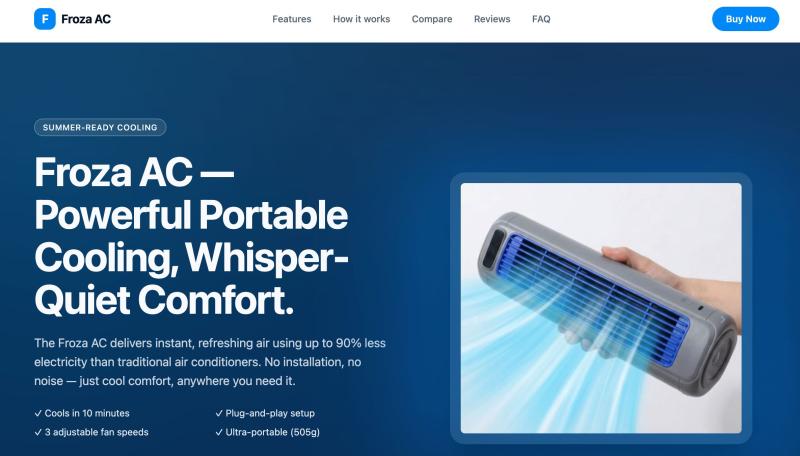
As temperatures rise, portable cooling devices often become popular online, especially products that promise powerful cooling without expensive electricity bills. One such product gaining attention is Froza AC, a small USB-powered personal air cooler marketed as an affordable alternative to traditional air conditioners.
The product claims to provide fast cooling, consume up to 90% less electricity than conventional air conditioners, and offer a portable solution that can be moved from one place to another. However, before making a purchase, consumers should carefully examine the product claims, available information, and several warning signs surrounding its marketing.
Froza AC is marketed as a compact personal air cooler designed for desks, bedrooms, offices, and small personal spaces. According to the product website, it features a lightweight design, USB-powered operation, multiple fan speeds, and cooling technology that helps create a more comfortable environment.
Unlike traditional air conditioners, Froza AC does not appear to use a compressor based refrigeration system. Instead, available descriptions suggest it works through evaporative cooling, where water is used to create cooler airflow.
This type of device can provide localized cooling, especially when placed close to the user in dry environments. However, it is important to understand that small evaporative coolers generally cannot provide the same cooling effect as a full size air conditioner designed to lower the temperature of an entire room.
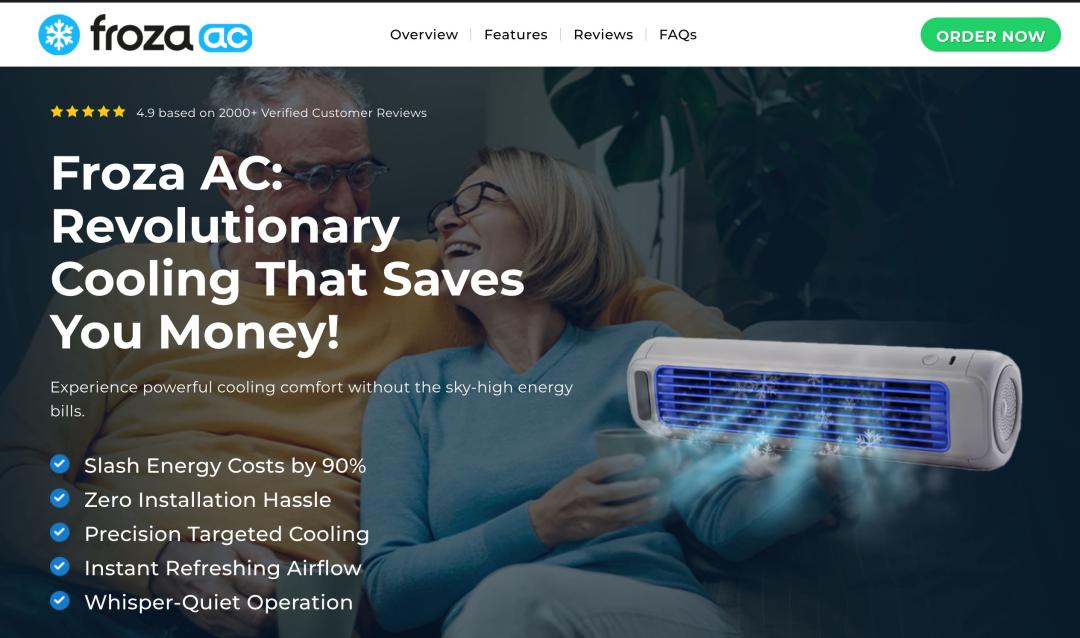
One of the biggest marketing claims associated with Froza AC is that it can deliver effective cooling while using significantly less electricity than traditional air conditioners.
While low power consumption may be expected from a small USB-powered device, the claim of replacing a traditional air conditioner requires more evidence. During research, there does not appear to be clear independent testing, standardized performance data, or detailed technical documentation supporting claims about achieving similar cooling results to a conventional AC.
The product pages also do not provide much information about important cooling specifications, such as:
Without this information, it can be difficult for consumers to accurately compare Froza AC with other cooling solutions.
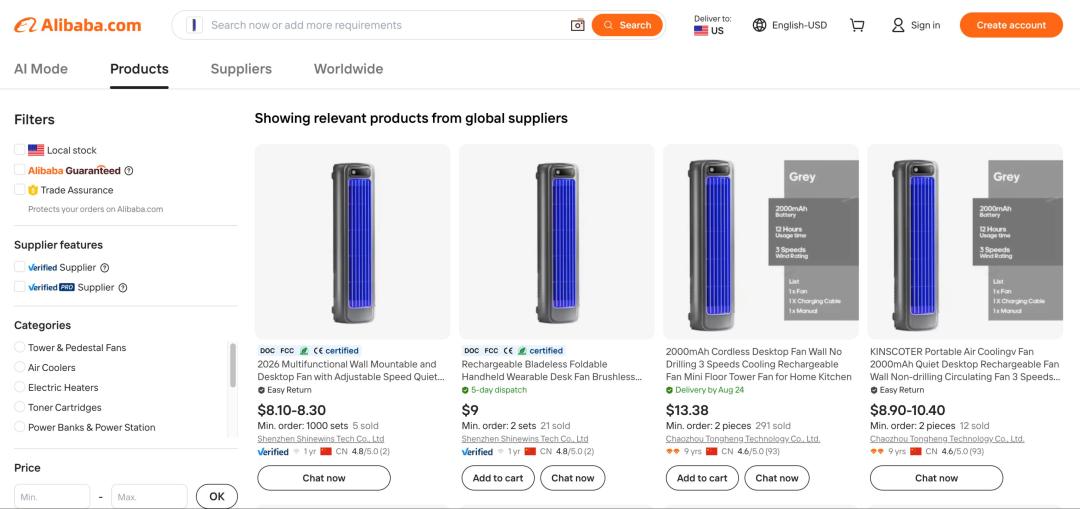
Another point worth noting is that similar looking portable cooling devices found to be sold under various brand names across different online stores. Products with comparable designs and marketing messages have appeared under names such as Cooling Ace and other variations.
This type of product branding is common in the online marketplace, where generic devices from manufacturers may be marketed under multiple names by different sellers. While this does not automatically mean a product is unsafe or ineffective, this makes it more important for buyers to research the seller, warranty terms, and product specifications carefully.
Another concern is the price difference between Froza AC and similar looking portable coolers available on wholesale platforms such as Alibaba. Even after advertised discounts, Froza AC may be priced significantly higher than comparable generic products. Consumers should compare specifications, features, and seller reputation before deciding if the price offers good value.
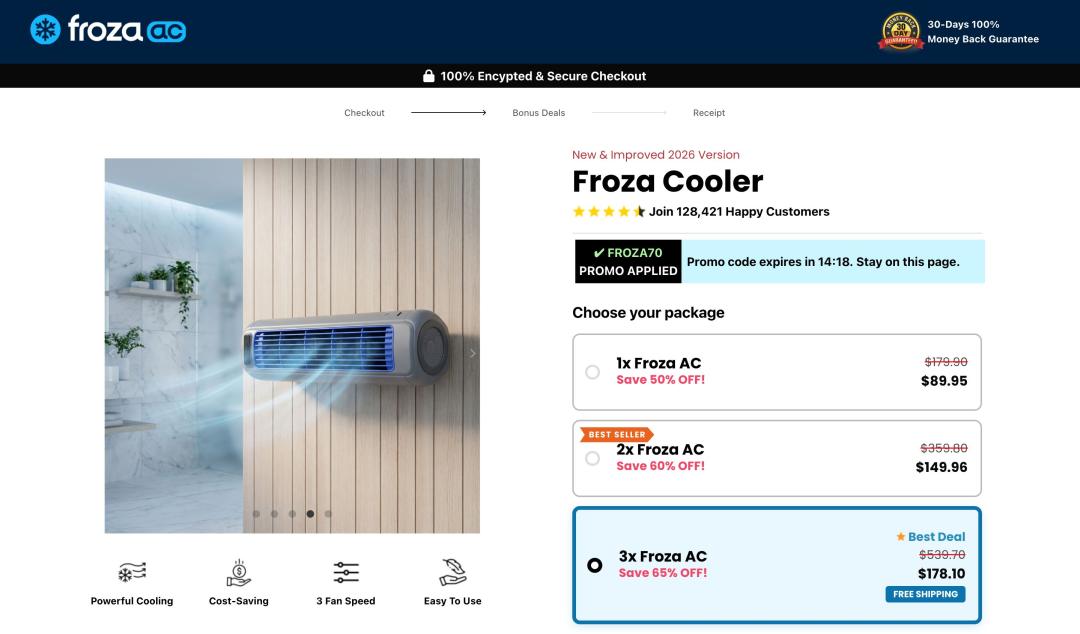
A reliable cooling product usually provides clear details about how it works and what performance users can expect. However, some Froza AC promotions focus heavily on phrases such as instant cooling and powerful cooling without explaining the technical limits of the device.
Consumers should be cautious when advertisements create expectations that a small portable cooler can perform like a full air conditioning system.
Some promotions also appear to use urgency tactics, including limited time discounts, low stock messages, and large percentage off offers. These techniques are commonly used in online shopping campaigns and can encourage customers to make quick decisions without proper research.
When reviewing the website selling Froza AC, consumers should also consider the reputation of the online store itself. Website reputation checking platforms such as De-Reviews.com has provided a low TrustScore for Froza AC website, which may indicate potential concerns that shoppers should investigate further before purchasing.
A low trust rating is an important signal to consider alongside other factors, including customer feedback, business transparency, return policies, and company information.
Customer opinions about Froza AC appear to vary. Some users who understand the limitations of small evaporative coolers may find it useful for personal cooling at close range, such as near a desk or workspace.
However, some complaints appear to come from customers expecting it to work like a traditional air conditioner. Because the device does not include a compressor system, it may not be suitable for cooling large rooms or providing strong temperature reduction in hot and humid environments. Understanding what the product can realistically do is important before making a purchase decision.
Before ordering Froza AC or similar portable cooling products, consider the following:
Froza AC appears to be a small personal evaporative cooler designed for localized cooling rather than a replacement for a traditional air conditioning system. While its promotional claims may attract some users, several aspects of its marketing including limited technical details, and website reputation concerns require careful consideration.
Consumers should avoid relying only on promotional claims and should research whether the product matches their actual cooling needs. Proceed with caution and make sure you understand the product’s limitations before making a purchase decision.
This article has been written by a Scam Fighter Contributor, De-Reviews.com Team. If you believe the article above contains inaccuracies or needs to include relevant information, please contact ScamAdviser.com using this form.
De-Reviews.com Team is a group of scam researchers, editors, and online safety advocates dedicated to exposing online fraud and helping consumers stay safe online. The team has been investigating scams, fraudulent websites, phishing campaigns, and other online threats since 2014. Read the Full Author Profile.
