
EN
This article was updated by Jamie James on June 12. 2026, based on the latest reports submitted by real users to ScamAdviser, using the reporting function.
When you see your favorite sneaker on a discount, you just can’t keep yourself from clicking the link. However, Fake shopping websites can look like real online stores, complete with product photos, discounts, reviews, social media ads, and checkout pages. The danger starts when you enter your money, credit card details, home address, phone number, or login information.
But how can you understand if a store you see on the internet is fake or not? In this guide, we are going to dive deeper into this topic and educate you on how to tell if the store that has your discounted sneakers is safe or not!
A fake shopping website is an online store built to take your money or personal data without giving you what was promised.
The store may sell clothing, sneakers, electronics, toys, cosmetics, furniture, tools, supplements, or event merchandise. The product does not matter as much as the pattern, which is: the site uses a tempting offer, takes payment, and then leaves you with no real support.
The FBI’s 2024 Internet Crime Report shows why this matters. IC3 received 859,532 complaints of suspected internet crime in 2024, with reported losses above $16 billion. Phishing, spoofing, extortion, and personal data breaches ranked among the top reported crime types by complaint count.
ScamAdviser reviewed 32,151 recent scam reports, and shopping scams appeared in 9,878 of them. Many reports involved fake shops, non-delivery complaints, and suspicious online stores that looked real at first glance.
There are many ways to check if a website that you will soon shop on is fake or not. Here are some of the most effective ones:
Copy the store’s URL and paste it into ScamAdviser’s website checker. Then read the Trust Score and the reasons behind it. The ScamAdviser Trust Score is a number between 1 and 100 that is also called a risk indicator. The score uses automated analysis across more than 40 independent data sources.
After you check the Trust Score, read the additional information. Look at the domain age, owner signals, review signals, website popularity, malware or phishing warnings, and social media signals where available.
Brand-new scam sites may not have enough negative history yet, so independent checks are still important.
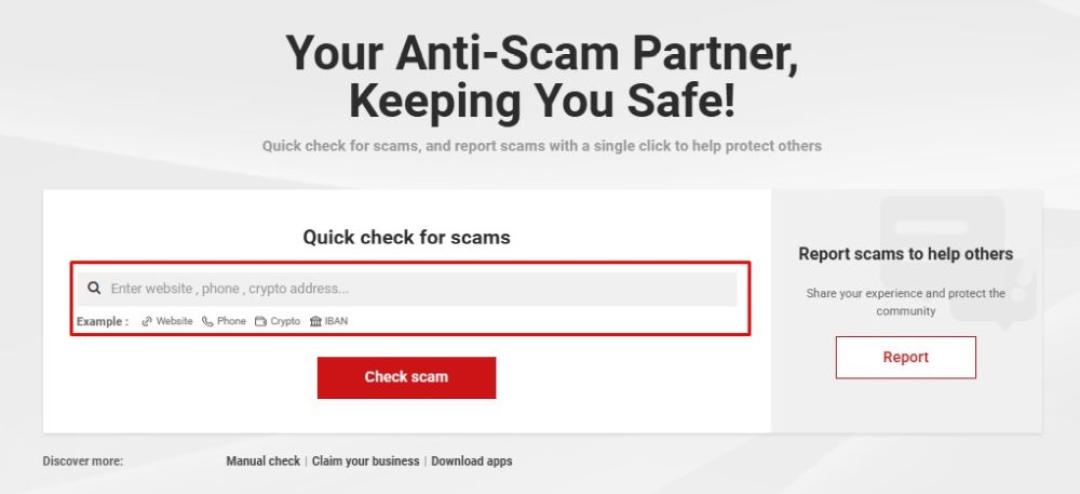
Type the website’s name into the box and hit “Check Scam” (Image Credit: Scamadviser)
The domain name is one of the first places fake shopping websites reveal themselves.
Look for misspelled brand names, extra words, random letters, odd endings, or domains that add words like “official,” “sale,” “outlet,” or “clearance” to a known brand name. A fake Nike store, for example, may not use Nike’s real domain, but it may use a name that looks close enough when you scroll fast.
Also, check how you reached the site. Fake shops often spread through social media ads, sponsored posts, search ads, and messages.
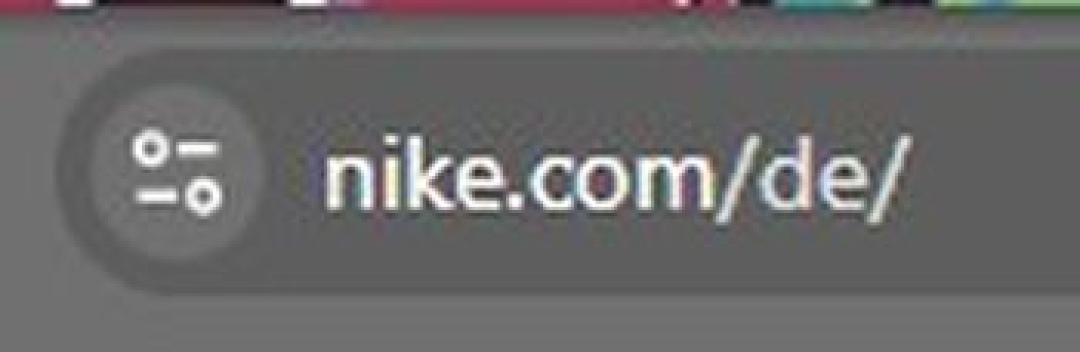
Image Credit: Scamadviser
A fake shop often uses a price that makes you act before you think.
Be careful with luxury products, new electronics, popular sneakers, event merchandise, viral gadgets, and sold-out items that appear at extreme discounts.
A discount can be real. A site-wide 70% or 80% discount on every product, combined with a new domain and weak contact details, tells a different story.
A real store should give you a way to identify and contact the business.
Look for a company name, physical address, working email, phone number, and clear customer service information. Then test those details. Search the address. Check whether the phone number appears anywhere else. See whether the email uses the store’s domain or a free Gmail, Outlook, or Yahoo address.
A missing address does not prove fraud by itself, but it weakens trust. A fake address, copied address, or broken contact form is a stronger warning sign.
Image Credit: Screengrab by Scamadviser via Nike
Do not rely only on reviews shown on the store’s own product pages.
Fake reviews can use copied names, stock photos, repeated phrases, and perfect ratings. Search the store name with terms like “reviews,” “complaint,” “scam,” “refund,” and “delivery.”
Look at the pattern, not just the star rating. Complaints about no delivery, fake tracking numbers, wrong products, no refunds, or ignored emails should make you stop.
The payment method tells you how much protection you have if the order goes wrong.
The FTC advises shoppers to pay by credit card when possible because credit cards give stronger dispute rights if an item never arrives, arrives defective, or differs from what was advertised. Also, don’t buy from sellers that require gift cards, wire transfers, payment apps, or cryptocurrency because those methods make refunds harder.
Be careful when a website shows safe payment logos on the homepage but removes those options at checkout.
A fake shop may copy a refund policy from another website and forget to edit the details.
Check whether the policy gives a return address, return deadline, refund conditions, shipping cost rules, and contact process. Be careful if the policy has missing placeholders, unclear wording, contradictions, or a return address in a different country than the store claims.
Online sellers must state whether you can return an item for a full refund and advises buyers to check who pays return shipping, how many days they have, and whether restocking fees apply.
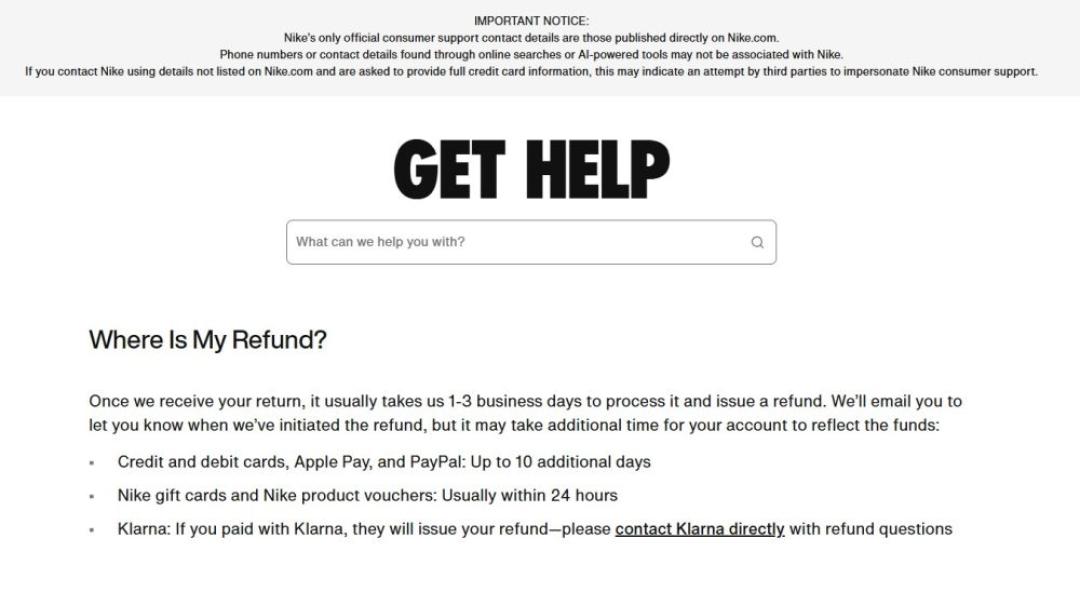
Image Credit: Screengrab by Scamadviser via Nike
Fake shopping websites often use social media to create trust, but the details may not match.
Click the social media icons on the website. Check whether they open real pages, empty profiles, broken links, or unrelated accounts. Review the page name, posting history, comments, follower quality, and whether users complain about missing orders.
A store that claims years of business but has a brand-new Facebook page and no real engagement needs extra caution.
Most fake shopping websites show more than one warning sign.
Watch for these patterns:
One red flag may have an innocent reason. Several red flags together mean you should avoid the store. For more information, check out our ultimate scam checklist!
You may receive nothing, a counterfeit product, a cheap item that does not match the photos, or a tracking number that never updates. You may also lose card details, phone numbers, email addresses, and home addresses.
That data can feed later scams. A fake store may lead to phishing emails, fake delivery messages, card fraud, identity theft attempts, or recovery scams that claim they can get your money back for an upfront fee.
Act fast if you think you bought from a fake shopping website.
We have an extensive piece on how to get your money back after a scam. Make sure you check that out as well!
You can report the website to ScamAdviser, your bank or payment provider, the platform that showed the ad, the domain registrar, and your local fraud reporting center. In the United States, public reporting through IC3 gives law enforcement data to fight cyber-enabled fraud.
If the fake store impersonates a real brand, report it to the brand as well. Brands can often submit takedown requests for fake domains, ads, and social media pages that misuse their name.
How can I tell if a shopping website is fake?
Run the URL through ScamAdviser, then check the domain, prices, contact details, independent reviews, payment methods, and refund policy.
Can ScamAdviser check if an online store is safe?
Yes, ScamAdviser checks a website’s Trust Score and supporting signals, but you should still review the store manually before you buy.
What payment method is safest when buying from a new store?
A credit card is usually safer because it gives stronger dispute rights if the order never arrives or the product is not what the seller promised.
What should I do if I bought from a fake shopping website?
Contact your bank or payment provider, dispute the charge if possible, save evidence, replace exposed cards, and report the website.
Are fake shopping websites only used for branded products?
No, fake shopping websites also sell gadgets, tools, furniture, toys, supplements, cosmetics, and seasonal products.
Jamie James is an alias of an experienced technology writer whose pieces and reviews appeared in various media outlets, such as CNET, Softonic, gHacks, and more. He has been covering technology news, evergreen guides, and pieces on how to stay safe online for many years.
