
EN
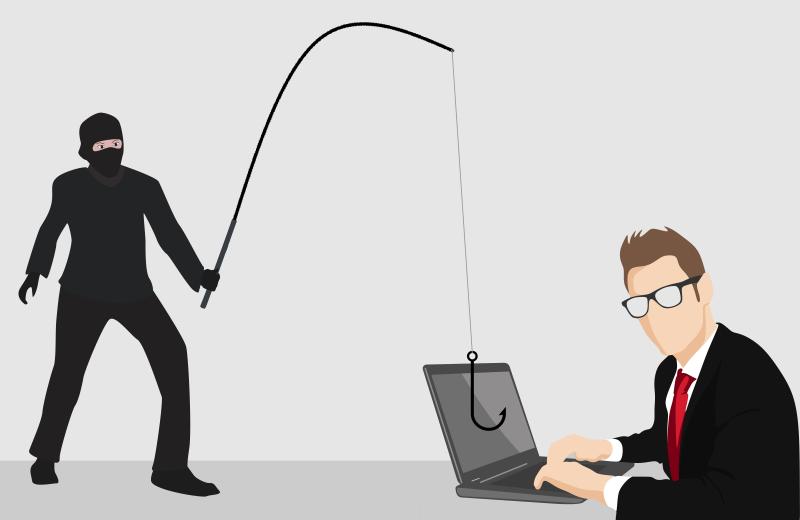
Scammers don’t always rely on advanced hacking tools or complex tricks. In most cases, they succeed because of your own small everyday habits that you don’t think twice about. These habits create opportunities for fraudsters to steal your money, personal data, or even gain access to accounts.
Understanding these common behaviors can help you stay alert and protect yourself in daily life. Here are 10 everyday habits that can make you an easy target for scammers.
One of the most common mistakes is clicking on links sent via SMS, email, or messaging apps without verifying them. Scammers often send fake messages that look like they are from banks, delivery services, or social media platforms.
For example, a message may say “Your package is delayed, track here” or “Your account will be locked, verify now”. These links often lead to fake websites designed to steal your login details.
Always double check the sender and avoid clicking suspicious links. Instead, visit the official website directly.
Many scams work simply because people share OTPs (One-Time Passwords) without realizing their importance. Fraudsters may call pretending to be customer support, bank representatives, or delivery agents and ask for OTP verification.
Once you share it, they can access your bank account, social media, or email.
Remember no legitimate company ever asks for your OTP over phone, message, or email.
Modern scammers often use caller ID spoofing, which makes it look like the call is coming from a trusted number like a bank or government office.
For example, you may receive a call that appears to be from your bank, but it is actually a scammer trying to extract personal information.
Never trust caller ID alone. If something feels urgent or suspicious, hang up and call the official number yourself.
A growing real world scam involves strangers asking to borrow your phone for an emergency call or message. While it may seem harmless, this can lead to serious risks.
In recent warnings from cyber safety experts, scammers may use your phone to send messages, install malicious apps, or even access sensitive apps like mobile banking if left unlocked.
If someone needs help, offer to dial the number for them instead of handing over your phone.
Reusing passwords across multiple accounts is one of the easiest ways for scammers to gain access to your digital life.
If one website gets hacked, scammers often try the same login details on email, banking, and social media accounts.
For example, if your email and Instagram share the same password, one breach can compromise both.
Using unique passwords for each account and enabling two-factor authentication greatly reduces this risk.
Posting too much personal information online can help scammers build a profile about you. Details like your birthday, school name, pet’s name, or location can be used to guess passwords or security questions.
For example, if your password hint is your pet’s name and you post about it online, scammers can easily exploit it.
Be mindful of what you share publicly and adjust privacy settings regularly.
Many people delay updating their phones, apps, or computers. However, updates often include security patches that fix vulnerabilities scammers can exploit.
Outdated software makes your device easier to hack, especially through phishing links or malicious apps.
Keeping your system updated is one of the simplest ways to stay protected.
Free Wi-Fi in cafes, airports, or public places may seem convenient, but it is often unsecured. Scammers can intercept data transmitted over these networks.
For example, logging into your bank account on public Wi-Fi can expose your credentials to attackers.
Avoid accessing sensitive accounts on public networks or use a secure VPN when necessary.
Installing apps from unofficial websites or clicking unknown download links can lead to malware infections. These apps may steal contacts, passwords, or financial data.
Scammers often disguise malicious apps as games, tools, or security boosters.
Always download apps only from trusted platforms like official app stores and check reviews before installing.
Many victims ignore early warning signs such as strange login alerts, unexpected password reset emails, or messages asking for urgent action.
Scammers often rely on urgency to make people panic and act quickly without thinking.
If something feels unusual or too urgent, take a moment to verify before responding.
Scammers don’t always need technical skills as they rely on human behavior. Small habits like clicking links, sharing OTPs, or reusing passwords can open the door to serious fraud. By becoming aware of these 10 everyday habits and making small changes, you can significantly reduce your risk of falling victim to scams.
Image Source: Pixabay
Disclaimer: This article has been written by a Scam Fighter Contributor. If you believe the article above contains inaccuracies or needs to include relevant information, please contact ScamAdviser.com using this form.
